Keyword: Cultural Safety

Cultural Safety

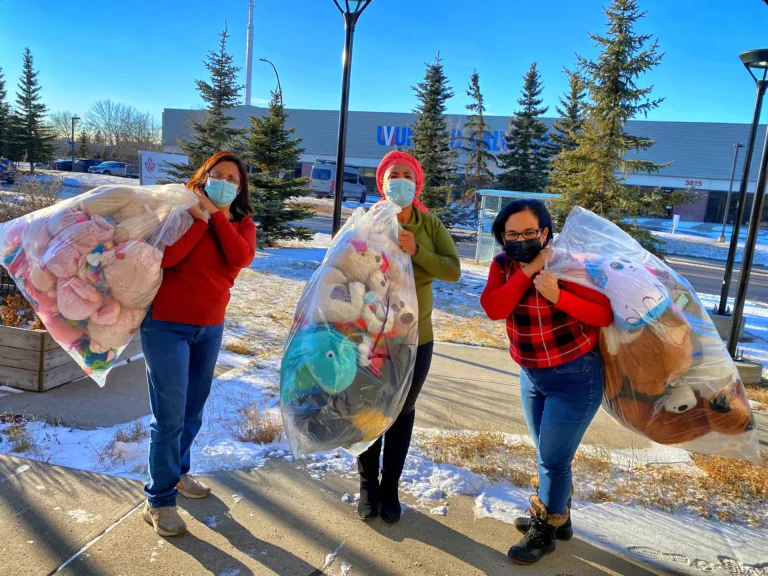
Indigenous cultural safety: Necessary for Indigenous health

In this blog post, I unpack some of the concepts discussed in a recent NCCDH-hosted webinar on Indigenous health promotion, tying them to ideas brought up in a workshop on Indigenous cultural safety at TOPHC 2018. I am a White settler who lives and works in Waterloo, Ontario, on the Haldimand Tract, the traditional territory of the Neutral, Anishnaabeg and Haudenosauonee peoples.

First Nations Taking Action on the SDH: Reflections from CPHA 2017

When I attended the Public Health 2017 conference this past summer in Halifax, NS, (in Mi’kmaki, the ancestral and unceded territory of the Mi’kmaq People), there were multiple resources from the First Nations Health Directors Association (FNHDA) of British Columbia that I found very interesting. One of the other resources the FNHDA shared also caught my attention: the Social Determinants of Health Discussion Guide, created by the First Nations Health Council (FNHC) in BC.

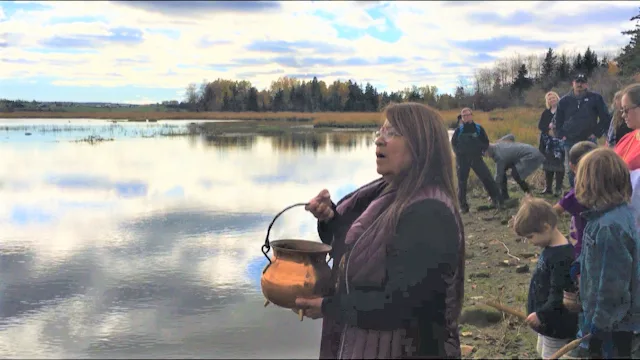
Indigenous KT and ways of knowing — what do they mean for public health?

Indigenous knowledge translation (KT) is a concept of central importance in public health practice. The recent annual conference of the Canadian Public Health Association (CPHA) highlighted many sessions reinforcing that the application, processes, outcomes, assumptions and integrity of research can all be strengthened by thinking about KT from an Indigenous perspective.

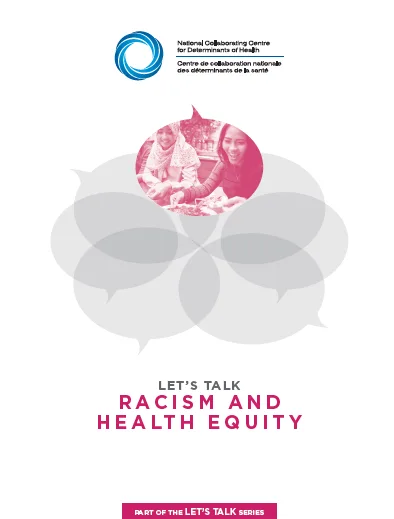
Let’s talk: Racism and health equity

The seventh release in our Let’s Talk series discusses racism as a critical factor that impacts health and wellbeing. The concepts of race, racism and racialization are described, with attention to settler colonialism and structural racism.

Honouring the truth, reconciling for the future

In June 2015, the Truth and Reconciliation Commission of Canada tabled its recommendations to “redress the legacy of residential schools and advance the process of Canadian reconciliation”(pg 327) with Indigenous peoples. This summary of the Commission’s final report presents the history and legacy of residential schools, the challenge of reconciliation, and 94 calls to action.

Scroll to Top
This site is registered on wpml.org as a development site. Switch to a production site key to remove this banner.