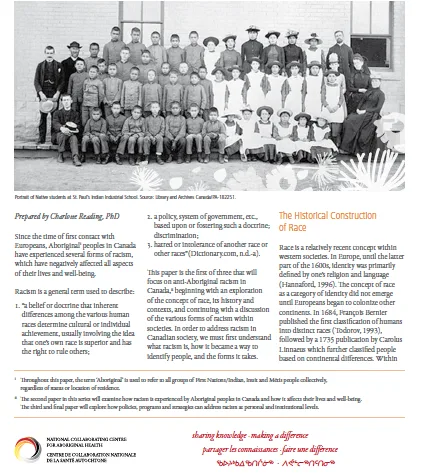
Aboriginal peoples in Canada experience several forms of racism, which negatively affect all aspects of their lives and well-being. This paper—which is an exploration of the concept of race, its history and contexts—is the first of three papers that will discuss forms of racism within societies.
Author:
National Collaborating Centre for Indigenous Health
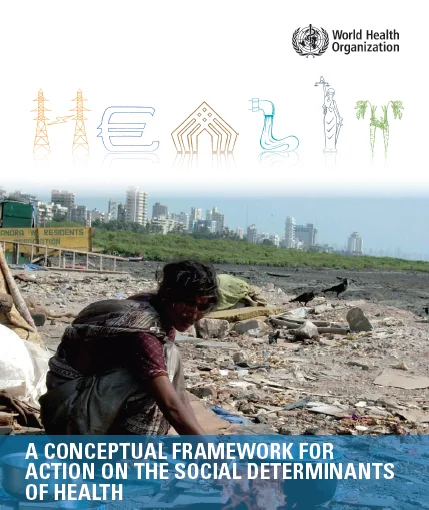
This paper introduces the conceptual framework that guides the work of the WHO’s Commission on the Social Determinants of Health. The document describes how the framework came about, its two “levels of causation’ of health inequities, and the “policy directions” it points to.
Four public health experts talk about how both having organizational standards, and going through a process of developing standards, can build an organization’s capacity to advance health equity.
Author:
National Collaborating Centre for Determinants of Health
This project set out to identify factors or conditions that influence effective public health leadership to improve health equity. Interviews were conducted with 14 Canadian public health leaders and themes were identified using an appreciative inquiry method.
Author:
National Collaborating Centre for Determinants of Health
The four public health roles is a framework that can help organizations make health equity a strategic focus of their governance, policies, and partnerships.
Author:
National Collaborating Centre for Determinants of Health
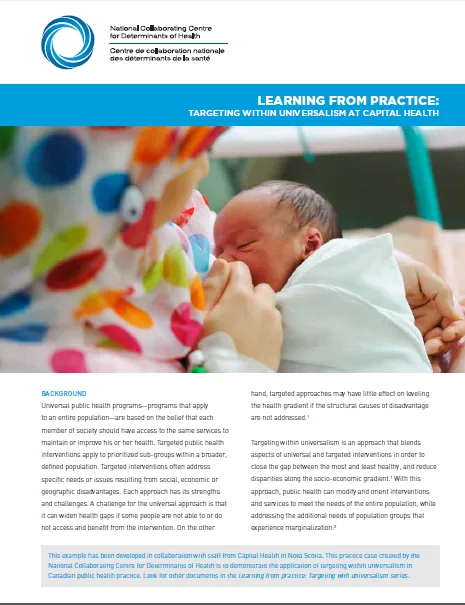
Research indicates that interventions designed to close the gap between the most and least healthy can unwittingly result in a wider gap. This resource is a condensed guide to the differences, strengths and challenges of targeted, proportionate and universal approaches to improving health equity.
Author:
National Collaborating Centre for Determinants of Health
The fifth, theme-based, annual report published by the Chief Public Health Officer of Canada focuses on sex-and gender-rooted health inequalities and what has been done and what can be done to address them.
Author:
Public Health Agency of Canada
Published:
2012
Scroll to Top
This site is registered on wpml.org as a development site. Switch to a production site key to remove this banner.