
Racism/racialization

Racism/racialization

The gifts of anti-racism work

This blog is part of a blog-series to be published in 2017. The blog is a personal reflection authored by an NCCDH staff member and is focused on what she has learned about racism and being anti-racist through her solidarity with Indigenous people, and how that learning informs and is informed by NCCDH staff work in this area.
Pay no attention to the man behind the curtain

This blog is part of a blog-series to be published in 2017. The blog is a personal reflection authored by an NCCDH staff member and is focused on the tendency of white people to remain silent in the discussion of racism.

Becoming anti-racist: Small steps along the way

This blog is part of a blog-series published in 2017. This blog describes how it came to be that the NCCDH has undertaken an initiative to become more intentionally anti-racist and better enabled to translate knowledge that will facilitate public health to address racism and racialization in their work places and as a structural determinant of health and inequity in the population.

Becoming anti-racist: An NCCDH initiative

This blog is part of a blog-series to be published in 2017. This blog describes the NCCDH’s current initiative to become more intentionally anti-racist and better enabled to translate knowledge that will facilitate public health to address racism and racialization in their work places and as a structural determinant of health and inequity in the population.

Paying for nutrition:  A report on food costing in the North

This report provides an analysis of food costing data in one area of Northern Ontario as an example to highlight the elevated cost and decreased affordability of food in northern First Nations communities. The disproportionately high incidence of food insecurity in these communities is also discussed.

Unnatural Causes: Is inequality making us sick?

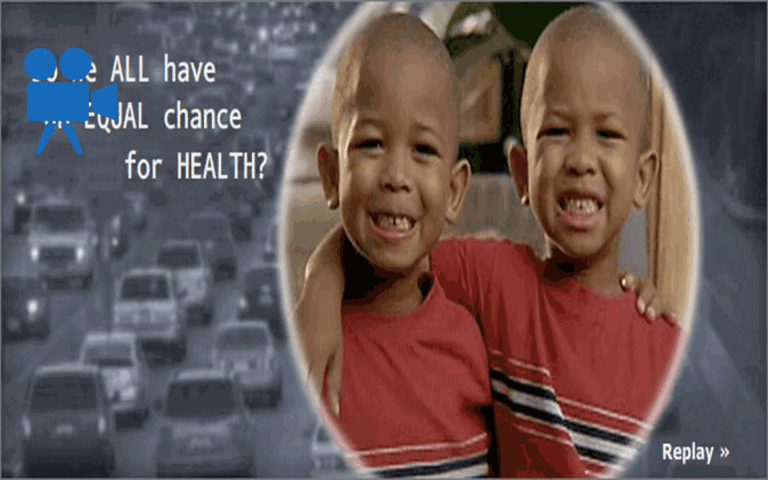
A seven-part documentary series exploring racial and socioeconomic determinants of health, this resource aims to increase the urgency of the public conversation around issues influencing health outcomes.

Gender based analysis PLUS – Online course

This free, three-hour online course was designed to increase the awareness and skills of civil servants in applying gender-based analysis to the development of government policies and programs.

Scroll to Top