
Why is a white woman like me talking about racism and partnerships?
In this blog post, Knowledge Translation Specialist Dianne Oickle reflects on her experiences as a white woman moderating a workshop on racism in public health partnerships.
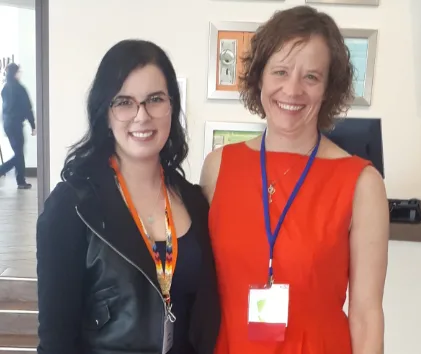
In this blog post, Knowledge Translation Specialist Dianne Oickle reflects on her experiences as a white woman moderating a workshop on racism in public health partnerships.
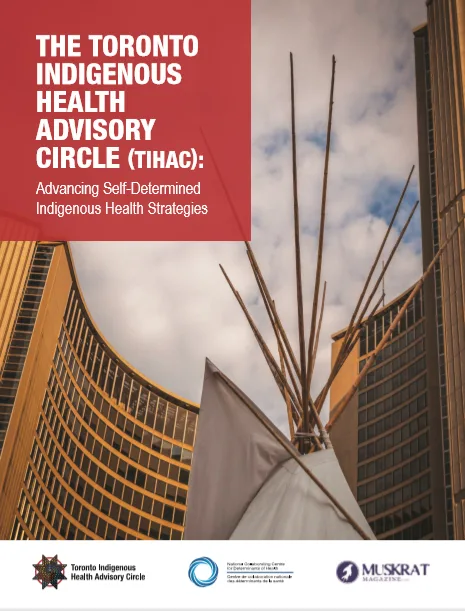
This case story from the Toronto Indigenous Health Advisory Circle (TIHAC), the NCCDH and Muskrat Media describes the formation of TIHAC and the creation of the first self-determined Indigenous health strategy in Canada. It outlines the relationships, conditions and decisions that led to the creation of a strong strategy for Toronto.

In this blog post, Knowledge Translation Specialist Dianne Oickle discusses what to consider for multisectoral and relational work to address early childhood health inequities in Canada.
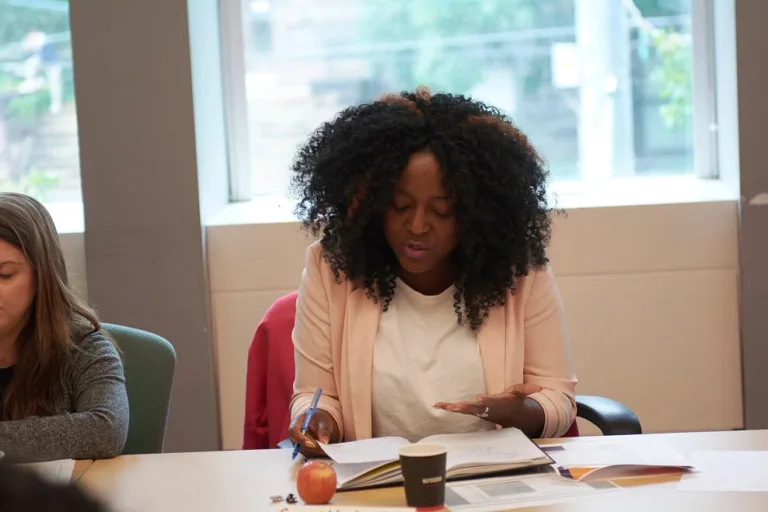
This blog post is part of a series on an anti-racism initiative at the NCCDH. The post is a personal reflection authored by an NCCDH staff member and is focused on her experiences of racism as a Black woman, intersections between settler colonialism and colonialism experienced elsewhere and reflections on relationships with Indigeneity.

In this blog post by epidemiologist Brianne Wood, the author discusses the use of data to shape practice at the Thunder Bay District Health Unit and the North West Local Health Integration Network, where she works.
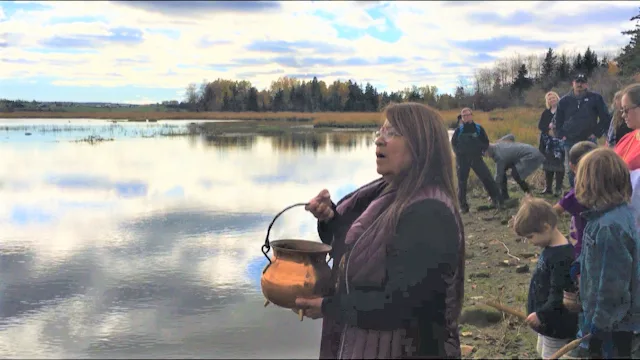
In this blog post, I unpack some of the concepts discussed in a recent NCCDH-hosted webinar on Indigenous health promotion, tying them to ideas brought up in a workshop on Indigenous cultural safety at TOPHC 2018. I am a White settler who lives and works in Waterloo, Ontario, on the Haldimand Tract, the traditional territory of the Neutral, Anishnaabeg and Haudenosauonee peoples.
This webinar took place in English only. The NCCDH and Health Promotion Canada (HPC) collaborated on a series of webinars to highlight several chapters of the newly released book Health Promotion in Canada 4th edition: New Perspectives on Theory, Practice, Policy, and Research. The goal was to explore how various themes in this book apply

Back in early February, four NCCs came together to host an NCC Knowledge Exchange Forum Towards TB Elimination in Northern and Indigenous Communities.
One way that public health organizations can help dismantle racism is by facilitating conversations about how racial inequity plays out in social, scientific and legislative arenas. It is with this aim that I moderated the closing plenary session at the annual pan-Canadian public health gathering, Public Health 2017, in Halifax, NS, located in Mi’kma’ki, the ancestral and unceded territory of the Mi’kmaq People.
When I attended the Public Health 2017 conference this past summer in Halifax, NS, (in Mi’kmaki, the ancestral and unceded territory of the Mi’kmaq People), there were multiple resources from the First Nations Health Directors Association (FNHDA) of British Columbia that I found very interesting. One of the other resources the FNHDA shared also caught my attention: the Social Determinants of Health Discussion Guide, created by the First Nations Health Council (FNHC) in BC.