
Promoting health equity – Choosing appropriate indicators: Literature scan
This literature scan describes a set of health equity indicators and recommends a decision-making process to identify a common set of indicators for British Columbia.
This literature scan describes a set of health equity indicators and recommends a decision-making process to identify a common set of indicators for British Columbia.
This inventory describes 36 tools that public health practitioners can use to support the systemic promotion of health equity.
Published by the National Association of County and City Health Officials (NACCHO), this book includes political analysis and practice examples to support the re-orientation of public health practice to address the root causes of health inequities.
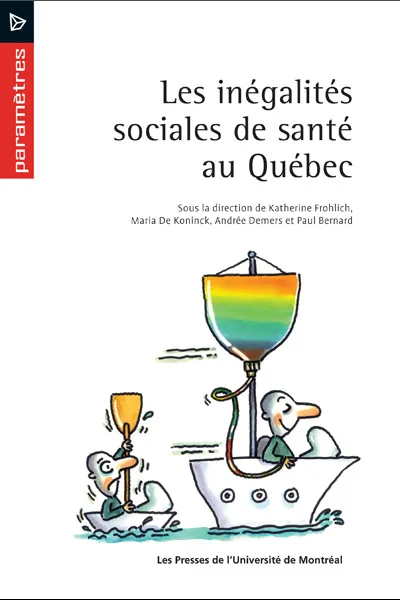
This collective work is a multidisciplinary overview meant to help readers better understand how social inequalities in health are produced, and the theoretical, methodological, and practical means available to us to study and alleviate them. This resource is available in French only.

This comprehensive collection of tools, the result of collaboration among 12 European organizations in academia and public health, was designed to help you determine whether a policy will contribute to greater health equity among children and their families.

This self-assessment tool can help you gather evidence on health inequities to support and develop policies and programs that distribute resources on the basis of health need.
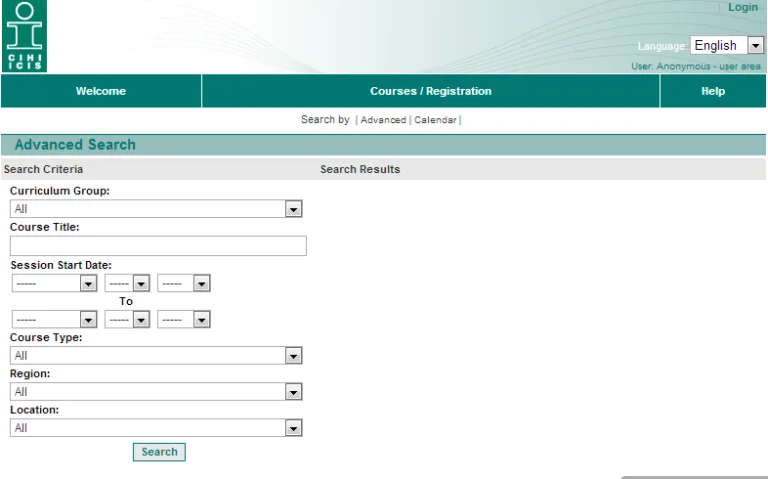
This free, one-hour course explores how bringing together health and socio-economic data can help health professionals better understand the links between population characteristics and population health outcomes.
This 45-hour, online course was designed for public health practitioners and decision makers who want to develop or improve their ability to lead a health impact assessment of public policies that involves working with partners from multiple sectors.
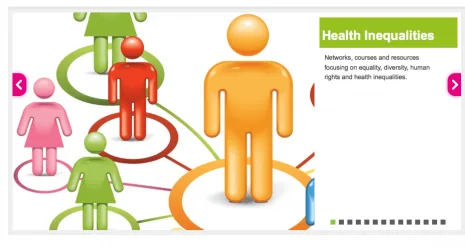
This free, six to 12 hour course is designed using case studies to teach public health practitioners how to conduct a health impact assessment (HIA). The course was developed by the National Health Service in Scotland, which has produced an impressive eLearning program of study.
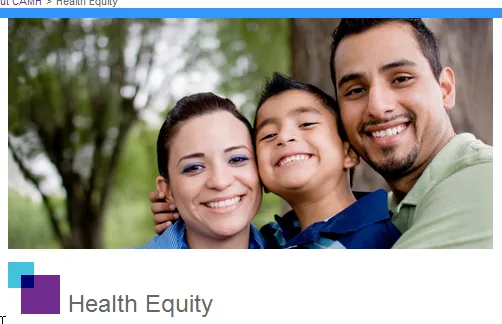
This free, skill-building course teaches why and how to conduct a health equity impact assessment (HEIA), and gives learners opportunities to complete up to five HEIA templates – a tool designed by the Ontario Ministry of Health and Long-Term Care – based on five case studies.