Statut socioéconomique

Statut socioéconomique

Protéger les plus vulnérables, un impératif de santé publique

In this memorandum to the Québec Government (in French only), Montreal and Montérégie’s public health directors advocate for changes to provincial employment legislation that could have deleterious effects on the health of social assistance recipients in their region.
Pan-Canadian Health Inequalities data tool, 2017 edition

The Pan-Canadian Health Inequalities Reporting Initiative’s health inequalities data tool is a user-friendly, web-based tool that can be used to inform decisions relating to surveillance, research, programming and policies that address health inequities among population groups in Canada.

Basic income: Rethinking social policy

Rooted in the premise that everyone deserves a life out of poverty, this compendium of writings offers considerations for policy makers and governments to inform next steps in testing basic income and rethinking welfare in Ontario.

Implications of a Basic Income Guarantee for Household Food Insecurity

This paper from the Northern Policy Institute outlines evidence to support a basic income guarantee as the most effective policy intervention for addressing food insecurity among vulnerable populations. It also provides an overview of how Ontario’s socioeconomic patterning relates to income of food insecurity in the province.

Paying for nutrition:  A report on food costing in the North

This report provides an analysis of food costing data in one area of Northern Ontario as an example to highlight the elevated cost and decreased affordability of food in northern First Nations communities. The disproportionately high incidence of food insecurity in these communities is also discussed.

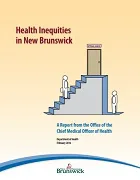
Health inequities in New Brunswick

This report presents data revealing the unequal distribution of social determinants and health status in New Brunswick. It “is meant to stimulate individual and collective interest and facilitate conversations to address this important issue which affects all New Brunswickers…” (p. 5)

Retour en haut